
It is 8:30 AM. You have just finished the morning rush—packing the tiffins, brewing that essential cup of chai, and ensuring everyone else is sorted. Now, you stand in front of your wardrobe with the clock ticking. The wardrobe is full, yet you feel like you have nothing to wear.
Does this sound familiar?
For the working woman in India, dressing for the office is a unique challenge. We aren’t just dressing for a meeting; we are dressing for the commute. We are dressing for the sweltering heat of May, the unpredictable downpours of July, and the freezing air-conditioning of the conference room. We need clothes that can survive a crushing ride on the Mumbai local, a dusty auto-rickshaw ride in Bangalore, or the crowded Delhi Metro, all while looking pristine when we walk into the office.
For decades, Indian workwear was synonymous with the crisp cotton saree or the starch-stiff salwar kameez. While those remain timeless classics, the modern Indian workspace has evolved. As we climb corporate ladders and navigate dynamic work environments, our wardrobes are shifting towards functionality that blends Western silhouettes with Indian sensibilities.
This isn’t about copying global trends blindly; it is about adapting them to our bodies, our weather, and our lifestyles. Let’s take a deep dive into building a work wardrobe that works as hard as you do.
The Foundation: Finding the Perfect Pair
If you look at the evolution of workwear in India over the last ten years, the biggest shift has been the move from skirts to trousers. Skirts, while elegant, can be impractical for the average Indian commute. Trousers offer mobility, coverage, and a sense of power.
However, finding the right formal trousers for women in India used to be a nightmare. We often dealt with cuts designed for Western body types—straight up and down—which simply didn’t account for the curvy hips and thighs that many Indian women have. We ended up with pants that gaped at the waist or pulled uncomfortably at the hips.
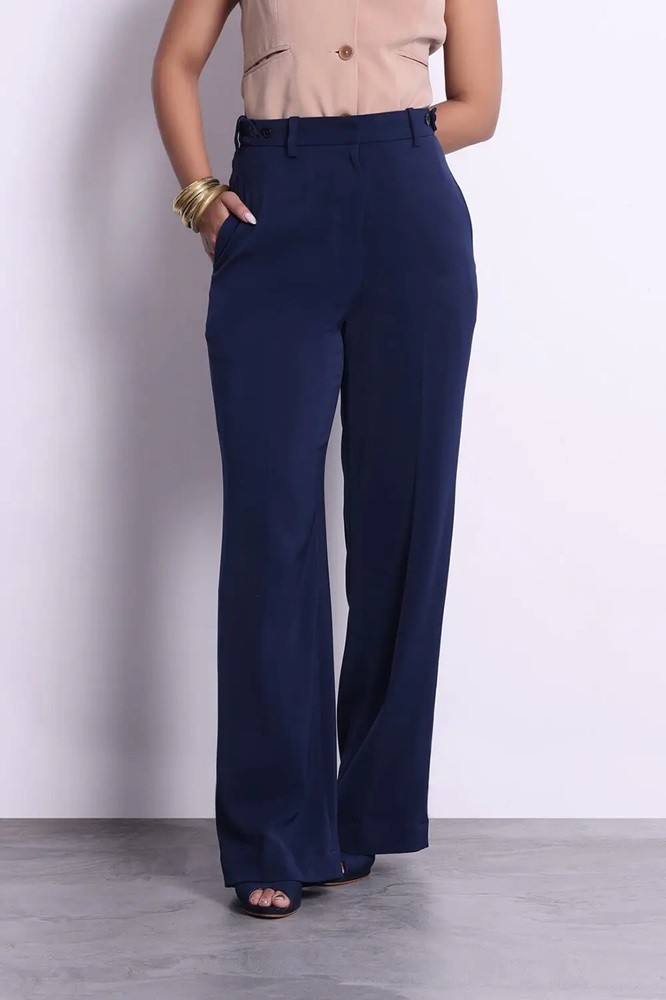
Thankfully, brands have started listening. The current market is full of options that cater to the “pear” and “hourglass” shapes common in our demographic. When shopping for trousers, look for high-waisted options. They are universally flattering because they cinch at the smallest part of your torso and provide a smooth line over the hips. They also ensure that when you sit down or bend over, you aren’t constantly adjusting your waistband.
Don’t just stick to the standard black and navy blue. While those are essentials, the Indian workspace is generally more accepting of color than its Western counterparts. dark olive, charcoal grey, chocolate brown, and even deep wine are excellent neutral alternatives that add personality to your look without breaking the dress code.
The Breath of Fresh Air: The Flare Revolution
While the slim-fit or “cigarette” pant has reigned supreme for a while, there is a strong case to be made for a different silhouette, especially in our climate. If you have ever worn skinny trousers on a humid day in Chennai or Mumbai, you know the discomfort of peeling them off at the end of the day.
Enter the revival of flared pants women are currently loving.
Flared pants (or bootcut trousers) are not just a retro 70s trend; they are a practical choice for the Indian woman. Why? Because they allow for airflow. A wider hem balances out wider hips, creating a long, visually pleasing vertical line.
The beauty of the flared pant lies in its versatility. In a strictly corporate setting, a structured flare in a heavy crepe fabric looks incredibly authoritative when paired with a crisp white shirt tucked in. But here is where the Indian fusion magic happens: these pants pair beautifully with shorter, straight-cut kurtas. It is a look that bridges the gap between traditional comfort and modern professionalism. You get the formality of a trouser with the familiarity of ethnic wear.
When choosing flared pants, pay attention to length. This is crucial. If you take public transport, you want the hem to end just above the ground to avoid it dragging in dust or puddles. If you wear heels to work, bring the shoes with you when you try the pants on to get the break exactly right.
The Art of the “Complete Look”
Trousers are just the bottom half of the equation. Constructing a cohesive look requires thinking about the entire ensemble. The category of formal office wear women choose today is vastly different from the stiff suits of the past. It is softer, more fluid, and significantly more comfortable.
The key to mastering this is “layering,” but not in the winter sense. In India, layering is about handling temperature fluctuations. You might walk from 40-degree heat outside into an office freezing at 18 degrees.
Start with a breathable base layer. Cotton, rayon, and modal are your best friends. Polyester blouses might look good on the hanger and require no ironing (a huge bonus), but they trap heat and odor. If you must choose synthetic blends, look for high-quality ones that have a “dry-fit” feel.
Over this base, use a “third piece” to elevate the outfit. This could be a lightweight, unlined blazer for important meetings, or a smart shrug for desk work. Even a well-draped scarf can act as a third piece, adding a pop of color and making a simple shirt-and-trouser combination look thought-out and styled.
Navigating Body Types and Fits
One of the biggest hurdles for Indian women is the “size chart anxiety.” We vary wildly in shape. Some of us are petite, some are tall, some carry weight around the midsection, and others around the hips.
-
For the Pear Shape: As mentioned, bootcut or flared pants are excellent. They draw the eye downward and balance the hips. Dark colors on the bottom and lighter, brighter colors on top help draw attention to your face.
-
For the Apple Shape: Look for straight-leg trousers with a mid-rise. High-waisted pants might feel restrictive around the tummy. Layering with open jackets creates vertical lines that elongate the torso.
-
For the Petite Frame: Ankle-length trousers are your best bet. They show a bit of skin at the ankle, which surprisingly makes your legs look longer. Avoid overwhelming wide-legged trousers unless you pair them with heels.
-
For the Tall Frame: You can pull off the dramatic wide-leg trousers that are currently in vogue. They look elegant and commanding.
The Indian Context: Shoes and Maintenance
We cannot discuss office wear without talking about footwear. In many Western countries, women keep a pair of heels under their desk and commute in sneakers. In India, we often wear one pair of shoes all day.
Comfort is non-negotiable. If your feet hurt, your productivity drops. Block heels and wedges are fantastic alternatives to stilettos. They provide height and posture correction but offer much more stability on uneven pavements or tiled office floors. Loafers and pointed-toe flats are also making a huge comeback, offering a chic look without the back pain.
Maintenance is another practical reality. We sweat, we deal with pollution, and we deal with food spills. While “Dry Clean Only” suits look great, they are high maintenance for daily wear. When building your work wardrobe, check the care labels. Aim for pieces that are machine washable. High-quality poly-viscose blends or treated cottons often retain their shape and color after a machine wash, saving you both time and money in the long run.
Confidence is the Ultimate Accessory
Finally, let’s address the mindset. For a long time, Indian women felt the need to blend in at the workplace, to be seen as “hardworking” rather than “stylish,” as if the two were mutually exclusive.
That outdated notion is fading. Taking pride in your appearance is a form of self-respect. It signals to your colleagues and clients that you pay attention to detail. Whether you are rocking a pair of sharp trousers or a fusion set, the goal is to feel powerful.
When you walk into a boardroom, you shouldn’t be worrying about your waistband digging in or your shirt gaping. Your clothes should be a second skin—armor that protects you and projects your competence.
So, next time you go shopping, don’t just buy what’s on the mannequin. Try things on. Sit down in them. Walk around the store. Look for those flared cuts that let you breathe, hunt for those trousers that hug your curves just right, and build a wardrobe that makes that 8:30 AM rush just a little bit easier. Because when you look the part, you are already halfway to owning the room.