
The gates open.
At first it’s calm. A few early arrivals scanning tickets. Vendors rolling carts into place. Security chatting near the barricades.
Then the wave hits.
Hundreds of people move toward the entrances at once. Someone radios in that the west gate line is backing up. A vendor reports a power issue. A guest services rep needs help with seating.
Meanwhile, somewhere near the stage, a supervisor is asking the question that quietly runs every large event:
“Does anyone have eyes on the north entrance?”
Phones? Maybe. If the signal cooperates.
But experienced event teams already know the answer.
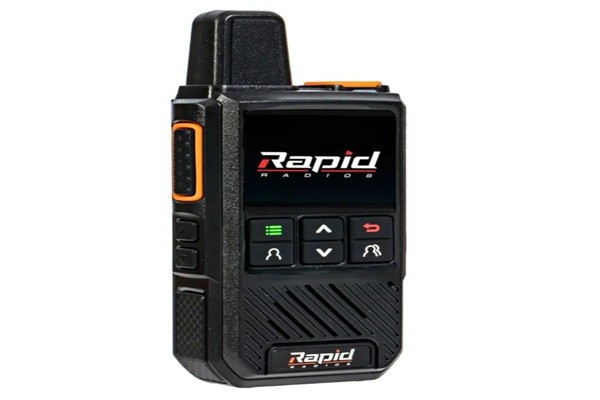
They grab the walkie-talkie.
Because when a venue fills with thousands of people, communication has to happen instantly—or not at all.
Events Look Organized… But They’re Controlled Chaos
From the audience perspective, a well-run event feels effortless.
People walk in. Music starts. Staff appear exactly where they’re needed. Problems get solved before most attendees even notice them.
Behind the scenes? Different story.
Large events are moving parts stacked on moving parts.
Security monitoring entrances.
Operations managing logistics.
Production crews handling stage equipment.
Guest services assisting attendees.
Vendors needing support.
And all of it is happening simultaneously.
Without fast communication, things fall apart quickly. That’s why event professionals rely on tools that prioritize speed and simplicity—like a walkie-talkie.
Press the button. Speak. Everyone hears it.
No dialing. No waiting.
Crowd Flow Changes in Seconds
Crowd management is one of the biggest challenges at concerts, festivals, and sports venues.
People don’t move evenly. They surge toward entrances. They gather near popular stages. They suddenly decide everyone should visit the same food stand at once.
It happens fast.
When staff notice congestion, they need to respond immediately.
“Entrance B is getting crowded.”
“Redirect guests to the east gate.”
“Need more staff near the main stage.”
Those quick updates help teams guide crowds safely and prevent bottlenecks before they turn into bigger problems.
With a walkie-talkie, those instructions travel instantly across the team.
Phones and Crowds Don’t Mix Well
If you’ve ever tried sending a message at a packed stadium or concert, you already know what happens.
Nothing.
Thousands of phones competing for the same cellular bandwidth slow networks to a crawl. Calls drop. Messages arrive late—sometimes very late.
Not ideal when you’re coordinating event logistics.
Radios avoid this problem entirely.
A walkie-talkie communicates directly between devices, which means staff can stay connected even when cellular networks are overwhelmed by attendees uploading photos and videos.
And let’s be honest—at most events, that’s exactly what everyone is doing.
Multiple Teams, One Conversation
Large events involve many teams working at the same time.
Security patrols entrances and restricted areas.
Operations crews manage infrastructure and equipment.
Technical teams run lighting and audio systems.
Guest services handle attendee questions and concerns.
Each team has its own responsibilities, but they still need to stay connected.
Walkie-talkies make that coordination easy.
Supervisors can broadcast messages to entire groups at once:
“Medical team needed near section C.”
“Vendor delivery arriving at the loading dock.”
“Security check at the south entrance.”
One message. Everyone informed.
That kind of shared awareness keeps events running smoothly.
Handling the Unexpected (Because It Will Happen)
No event unfolds exactly according to plan.
Weather changes. Equipment fails. Someone spills something important near a main walkway. A guest needs medical assistance.
These moments require fast coordination.
With a walkie-talkie, staff can immediately call for backup, alert supervisors, or direct the right team to the right location.
Seconds matter.
And radios deliver those seconds.
Modern Walkie-Talkies for Modern Events
While classic radios remain common, modern communication systems now extend walkie-talkie capabilities even further.
Some devices allow teams to stay connected across large venues—or even across cities—while still keeping the simplicity of push-to-talk communication.
Event organizers planning large productions often explore advanced walkie-talkie systems designed for dependable, real-time coordination. Teams interested in improving event communication can learn more about professional walkie-talkie solutions that support large-scale operations.
Because when events grow bigger, communication needs grow with them.
The Invisible Tool Behind Smooth Events
If an event runs perfectly, most guests never notice the coordination behind it.
They just enjoy the show.
But behind the scenes, teams are constantly sharing updates, solving problems, and guiding crowds safely across the venue.
The tool making much of that possible?
A simple walkie-talkie.
Press the button.
Share the message.
Keep the event moving.
Sometimes the most important technology at an event isn’t the giant stage or the lighting system.
It’s the quiet voice in someone’s earpiece saying, “We’ve got it handled.”